What Fine Art Photography Really Is
The Definitive Guide to Understanding (and Recognizing) ItDate: June 24, 2025
What Fine Art Photography Really Is: The Definitive Guide to Understanding (and Recognizing) It
Fine art photography has become one of the most discussed, misunderstood, and misused terms in the contemporary visual arts world. Today, everything from a smartphone portrait to a well-retouched fashion editorial is sometimes labeled as “fine art.” But true fine art photography follows an entirely different logic — one rooted in intention, authorship, vision, and a slower, more reflective creative process.
In this guide, we will explore what fine art photography really is, how to recognize it, and why it continues to matter in a world dominated by fast-consumption images. Whether you are an artist, collector, creative director, or simply someone navigating your own visual identity, understanding fine art opens the door to a deeper, more meaningful relationship with photography.
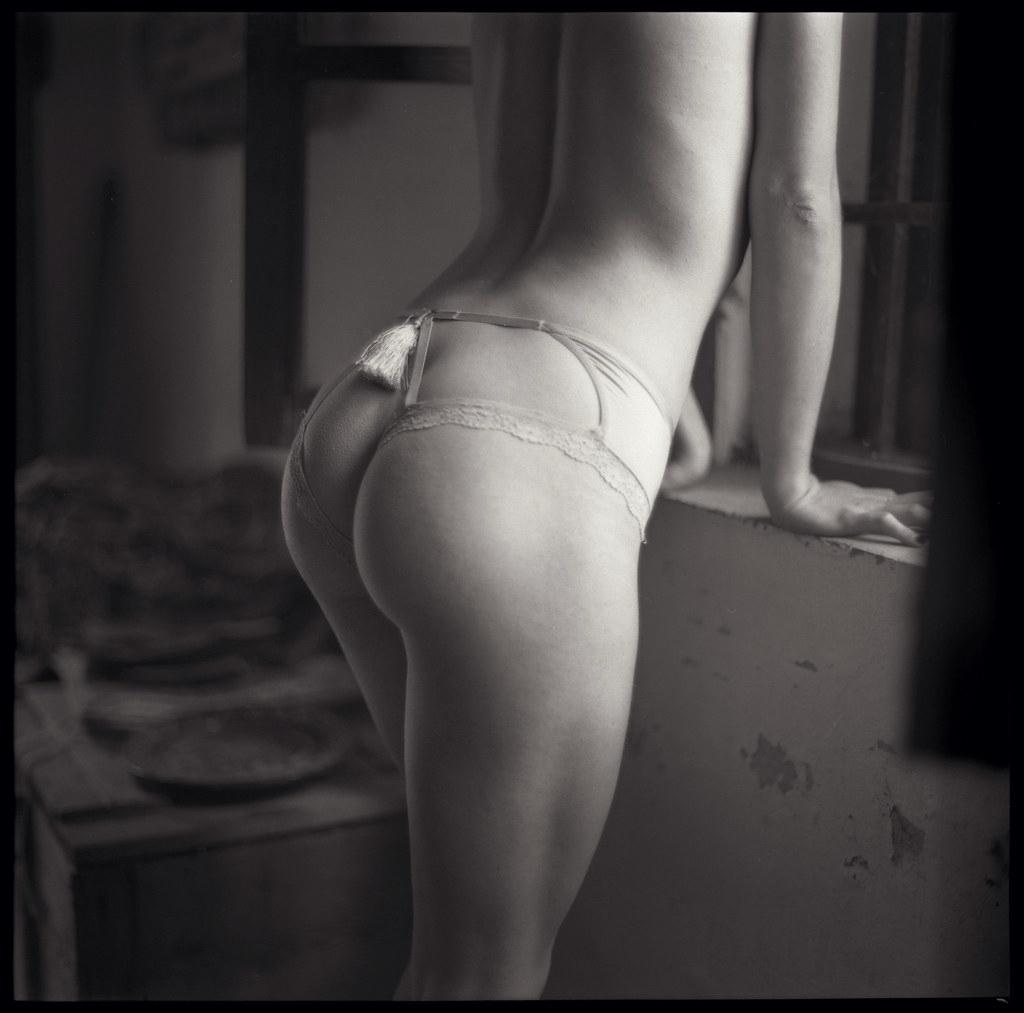
Norita 66 - Noritar f:2 80mm - Kodak Tmax 400 in Xtol 1+1 @20° x 11'00"
Scan from neg - © Niccolò Barone - All rights reserved
Fine Art Photography Is About Vision, Not Just Technique
At its core, fine art photography is the visual expression of an idea.
It is not created to document, advertise, or illustrate. Instead, it exists because the photographer has something to say — a perspective, a question, a feeling, a tension, or a story.
A fine art photograph begins long before the shutter is pressed.
It originates in the mind.
Unlike commercial or editorial work, which solves external problems (selling a product, presenting a model, telling a brand story), fine art work addresses internal questions:
-
Who am I?
-
How do I see the world?
-
What does this image reveal that words cannot?
-
What emotion or concept do I want the viewer to experience?
Technique supports the vision, but it is never the purpose.
Intentionality: The Foundation of Fine Art
Intentionality is the key that separates fine art from all other forms of photography.
Every choice — light, color, lens, pose, format, timing, composition, and even imperfections — serves a conceptual or emotional purpose. A long exposure is not just a technique. A desaturated palette is not just an aesthetic choice. A medium-format analog negative is not just a nostalgic preference.
Each choice is part of a larger thought process.
When you view true fine art photography, you can feel this intentionality. The image does not simply show something. It communicates something.
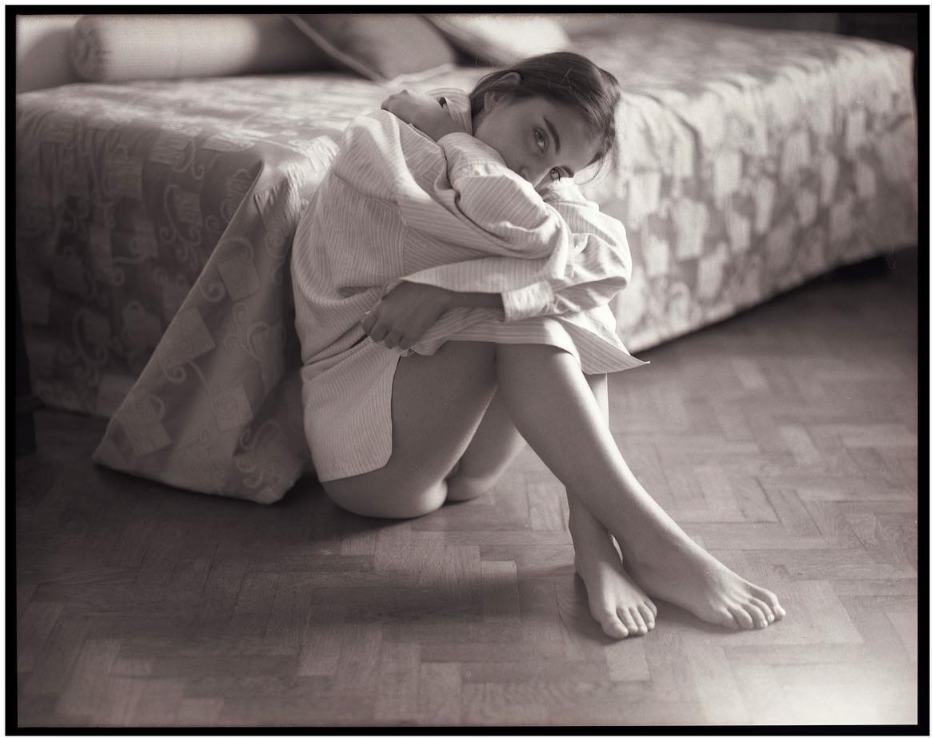
Pentax 67II - SMC Takumar 105mm - Kodak Tmax 400 film Processed in Xtol (1:1 @ 24°) standard
Scan from neg - © Niccolò Barone - All rights reserved
The Difference Between Fine Art and Beautiful Photography
Not all beautiful images are fine art.
A landscape captured at sunset may be visually stunning, but beauty alone does not define artistry. Fine art photography is not concerned with impressing the viewer but with engaging them.
Here is a helpful distinction:
-
Beautiful photography pleases.
-
Fine art photography provokes.
In fine art, beauty can be used as a tool, but so can tension, darkness, silence, mystery, or imperfection. What matters is that the image carries meaning beyond the surface.
The Role of Concept and Narrative
Every fine art project is guided by a concept — a unifying idea that holds the work together.
Some concepts are bold and explicit:
exploring identity, memory, femininity, isolation, or transformation.
Others are subtle:
the way light falls on skin, the repetition of gestures, the tension between body and space, the dialogue between analog and digital.
A project may be narrative-driven or purely emotional, but it always has coherence.
Fine art is a language. And as with any language, intention creates structure.

Graflex Speed Graphic 4x5 + 4x5 Graflok back - 1944 Kodak Aero Ektar 178mm f 2.5 WWII Usaf reconnaissance lens
Kodak Tmax 400 in Xtol 1+1 @20° x 11'00" - Patterson Tank + Mod54 reel - Fidelity Elite 4x5 chassis -
Scan from neg - © Niccolò Barone - All rights reserved
Why Analog Photography Belongs So Naturally to Fine Art
Analog photography has a unique relationship with fine art because it slows everything down. It demands presence, decision-making, and a deep sensitivity to light and time.
Film imposes constraints, and those constraints invite creativity.
They force the photographer to commit, reflect, and wait.
For this reason, many contemporary artists — particularly in fashion and portraiture — are rediscovering analog as a medium that brings a tactile, imperfect, deeply human aesthetic back into a digital world.
A fine art analog image carries the physical trace of its creation: grain, texture, film latitude, and the delicate unpredictability of chemistry. These elements are not flaws. They are the materiality of the medium — part of the poetry of the work.
Prints, Editions, and the Objecthood of Fine Art
Unlike editorial photography, which lives in magazines or online, fine art becomes a physical object.
A fine art print — especially when produced with archival processes — has longevity, presence, and value. The paper, the tone, the scale, and the edition number all contribute to the identity of the work.
In the art world, a photograph is not considered complete until it is printed.
Collectors engage not only with the image but with its materiality and rarity. Galleries and museums consider prints, not files. Fine art photography lives through its physical existence.
This is why many fine art photographers include:
-
limited editions
-
signed prints
-
certificates of authenticity
-
rchival papers and inks
The print is not a reproduction — it is the artwork itself.
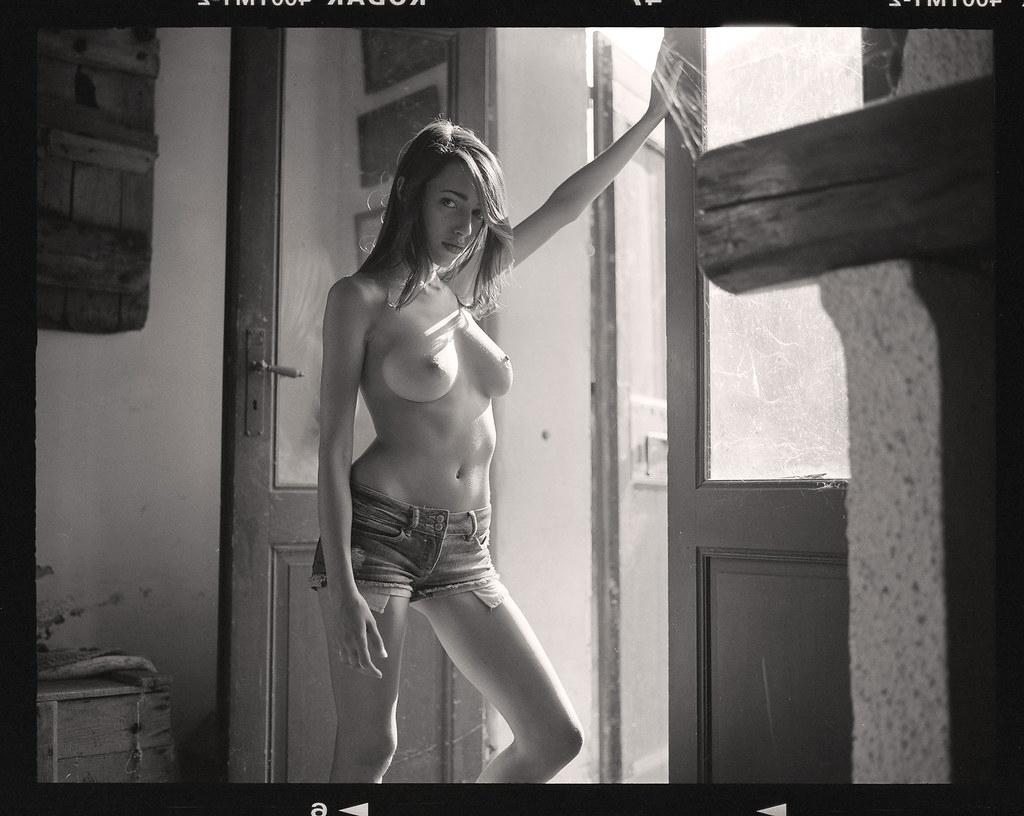
Pentax 67II - SMC Takumar 105mm - Kodak Tmax 400 film Processed in Xtol (1:1 @ 24°) standard
Scan from neg - © Niccolò Barone - All rights reserved
How to Recognize a Fine Art Photograph
You are looking at fine art photography when:
1. There is a clear intention behind the work.
Even if the meaning is not explicit, you can sense purpose in the choices.2. The image belongs to a larger body of work.
Fine art rarely exists as isolated single shots. Projects matter.3. The photograph asks something from the viewer.
Interpretation is part of the experience.4. The author’s voice is identifiable.
A strong fine art photographer has a recognizable visual language.5. The work resonates emotionally or conceptually.
It lingers. It invites reflection.
Why Fine Art Photography Still Matters Today
We live in an era of constant visual saturation.
Billions of images are produced daily — fast, disposable, interchangeable.
Fine art photography is the opposite.
It slows down the act of seeing.
It invites us to look deeper, to stay with an image long enough to feel something shift inside us. It reminds us that photography is not only a tool for communication but a medium for introspection, poetry, and meaning.
In a world of noise, fine art photography remains a form of silence — and that silence carries extraordinary power.
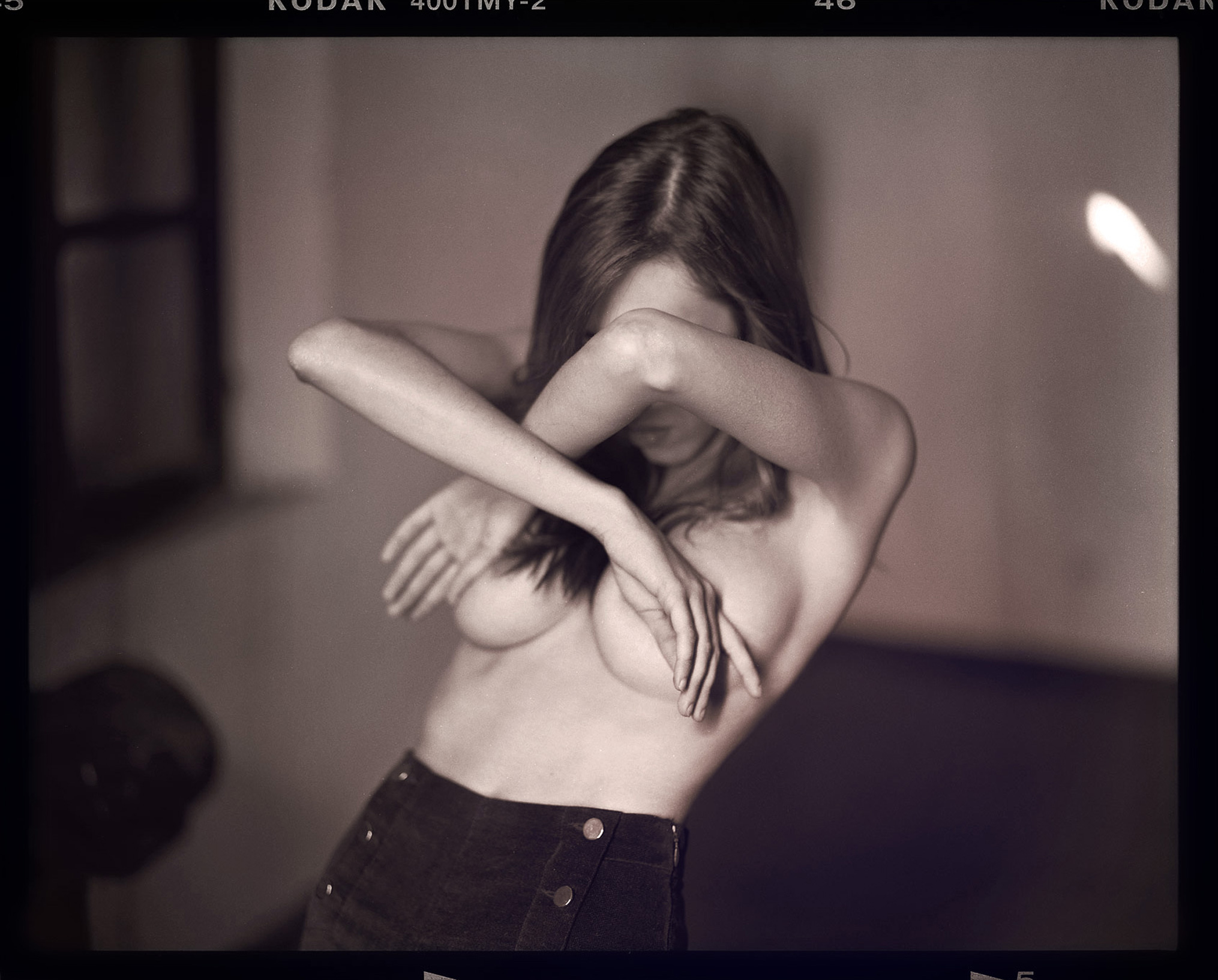
Pentax 67II - SMC Takumar 105mm - Kodak Tmax 400 film Processed in Xtol (1:1 @ 24°) standard
Scan from neg - © Niccolò Barone - All rights reserved
Final Thoughts
Understanding fine art photography means understanding the photographer behind the work. It is a conversation between vision and form, between internal landscapes and external realities. More than anything, it is an ongoing exploration — a commitment to look beyond the obvious.
If you are navigating your own creative path or simply seeking images that resonate on a deeper level, fine art photography offers a space of authenticity and emotional truth.
And in that space, every frame becomes a dialogue
Fotografo moda Carpi
Fotografo boudoir Carpi
Fotografo moda Modena
Fotografo boudoir Modena
Fotografo moda Correggio
Fotografo boudoir Correggio
Fotografo moda Parma
Fotografo boudoir Parma
Fotografo moda Reggio Emilia
Fotografo boudoir Reggio Emilia
Fotografo boudoir Carpi
Fotografo moda Modena
Fotografo boudoir Modena
Fotografo moda Correggio
Fotografo boudoir Correggio
Fotografo moda Parma
Fotografo boudoir Parma
Fotografo moda Reggio Emilia
Fotografo boudoir Reggio Emilia
Fotografo moda Bologna
Fotografo boudoir Bologna
Fotografo moda Ravenna
Fotografo boudoir Ravenna
Fotografo moda Firenze
Fotografo boudoir Firenze
Fotografo moda Pisa
Fotografo boudoir Pisa
Fotografo glamour Modena
Fine art photographer
analog Photographer
Fotografo nudo Modena
Fotografo boudoir Bologna
Fotografo moda Ravenna
Fotografo boudoir Ravenna
Fotografo moda Firenze
Fotografo boudoir Firenze
Fotografo moda Pisa
Fotografo boudoir Pisa
Fotografo glamour Modena
Fine art photographer
analog Photographer
Fotografo nudo Modena
© Niccolò Barone - All rights reserved