The Return of Analog Photography in Fashion
Why Film Still Wins Over DigitalDate: June 30, 2025
Over the last decade, the world of fashion has witnessed a quiet yet undeniable shift: the return of analog photography. What began as a nostalgic niche has transformed into a powerful creative movement embraced by major brands, editorial magazines, and photographers seeking authenticity in an era dominated by digital perfection.
Film is not coming back as a trend.
It is returning as a language — one that speaks to emotion, texture, imperfection, and the beauty of the unexpected.
In a landscape where images can be created, edited, and consumed in seconds, analog photography offers something radically different: intention, craft, and presence. But why are so many fashion photographers returning to film, and why does it continue to outperform digital in certain contexts?
This article explores the deeper reasons behind the resurgence.
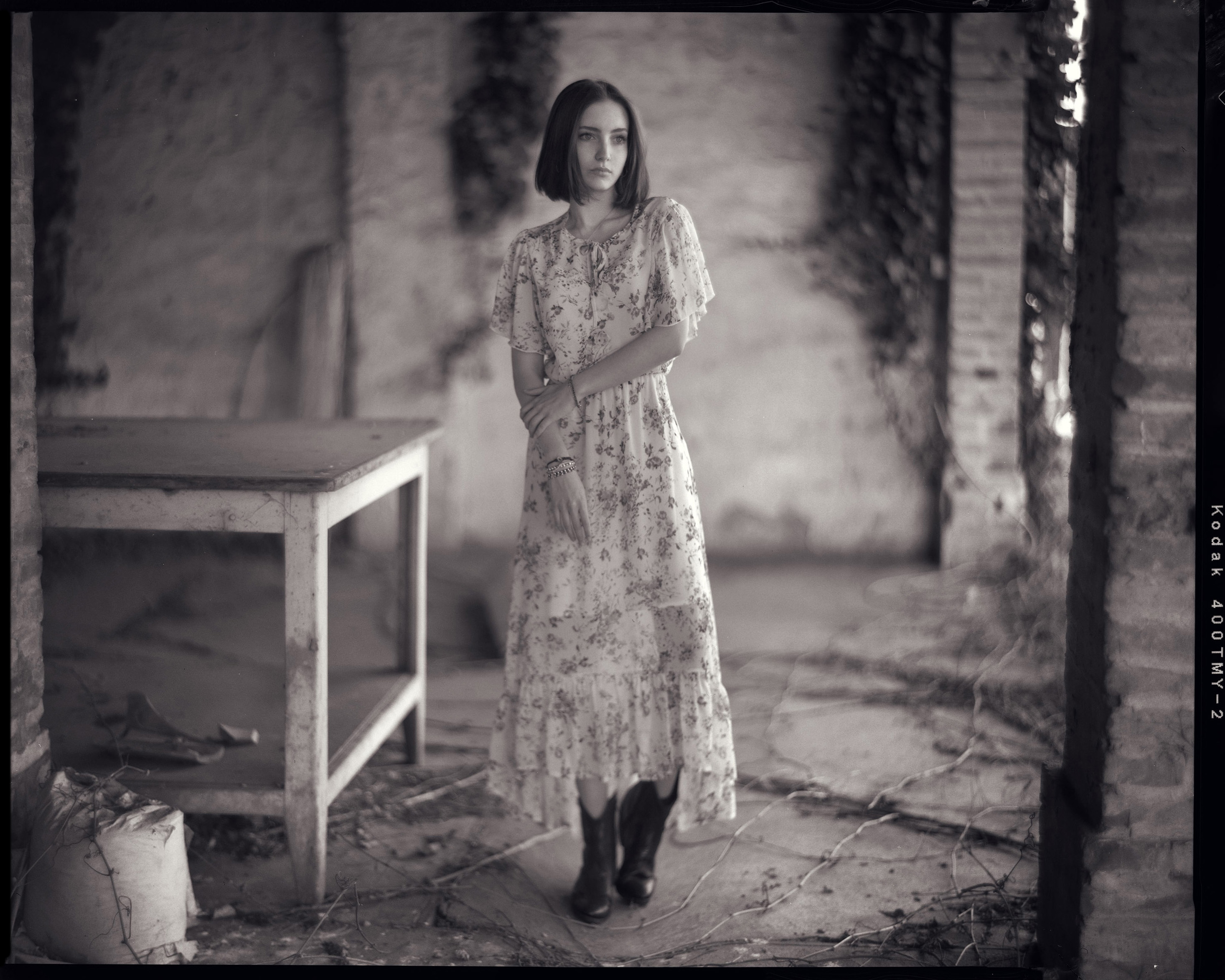
Graflex Speed Graphic 4x5 + 4x5 Graflok back - 1944 Kodak Aero Ektar 178mm f 2.5 WWII Usaf reconnaissance lens
Kodak Tmax 400 in Xtol 1+1 @20° x 11'00" - Patterson Tank + Mod54 reel - Fidelity Elite 4x5 chassis -
Scan from neg - © Niccolò Barone - All rights reserved
1. Analog Photography Brings Back the Aesthetic of Authenticity
Fashion imagery today often suffers from overproduction: flawless skin, perfect lighting, immaculate styling, and editing that polishes every trace of reality. Digital mastery has reached such a level of refinement that everything can begin to look the same.
Film disrupts that.
Analog photography embraces texture, grain, softness, and imperfection. These characteristics are not technical flaws but emotional signatures of the medium.
Film feels real — and that authenticity has become a luxury.
Fashion brands, especially those targeting Gen Z and emerging luxury consumers, are increasingly interested in imagery that feels human, tactile, and emotionally charged. Digital perfection is no longer aspirational. Authenticity is.
2. The Chemical Soul of Film Cannot Be Simulated
You can emulate film with digital presets, but emulation is not the same as origin.
Film responds to light in a fundamentally organic way:
-
highlights bloom instead of clipping
-
shadows retain richness
-
midtones unfold with depth
-
skin tones feel smoother and more dimensional
-
grain behaves like texture, not noise
Each film stock has its own personality — from the softness of Portra to the contrast of Tri-X, from the cinematic mood of CineStill to the pastel tones of medium-format color negatives.
No digital sensor replicates the unpredictable poetry of analog.
That “chemical soul” is why so many photographers return to film after years of digital work. The medium itself becomes part of the storytelling.
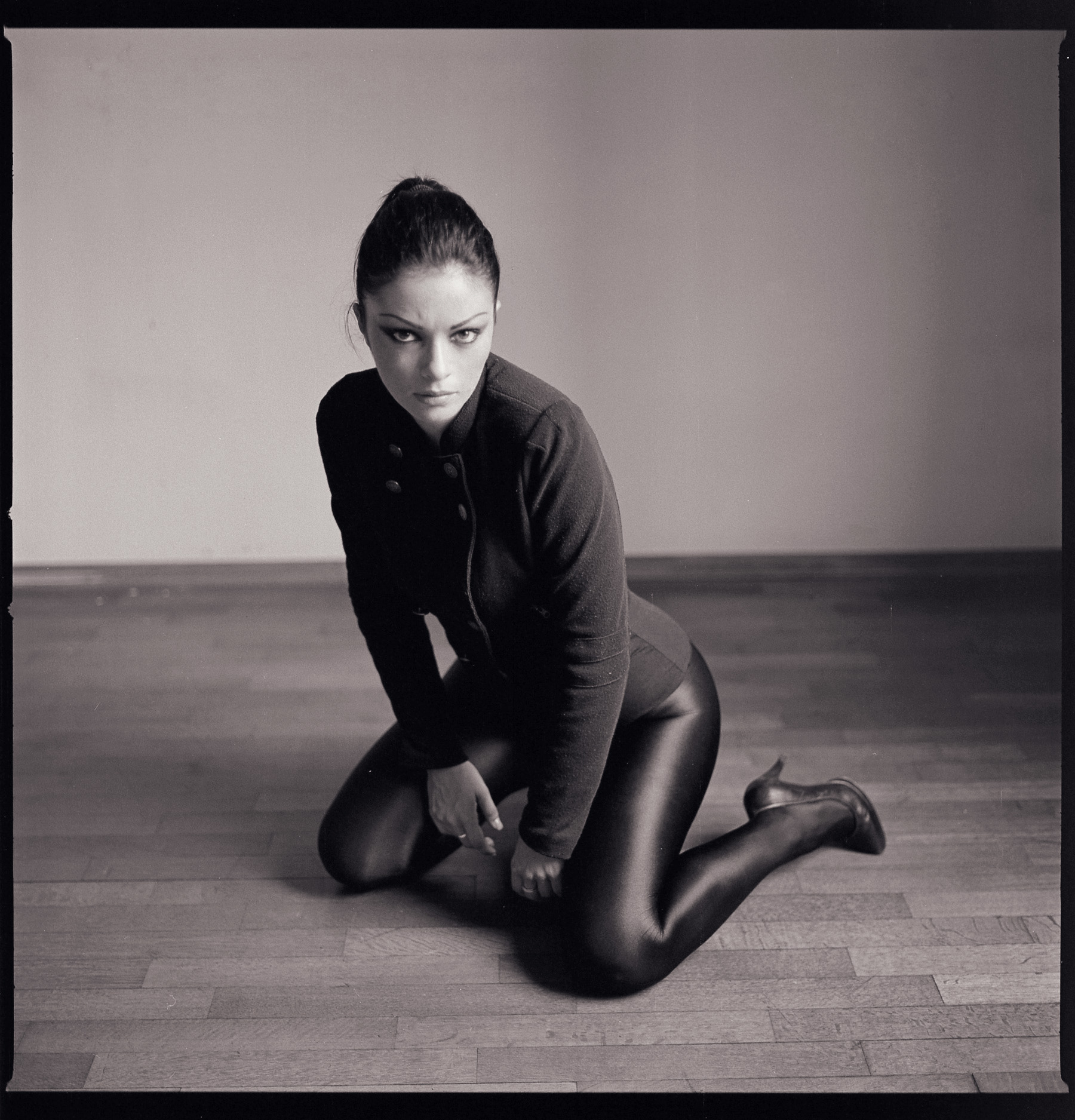
Hasselblad 500 c/m - Carl Zeiss Planar 80mm f 1:2.8Kodak Tmax 400 film Processed in Xtol (1:1 @ 24°) standard
Scan from neg - © Niccolò Barone - All rights reserved
3. Film Forces Intention — And Intention Enhances Artistry
Digital photography allows infinite attempts.
Film does not.
With a limited number of frames, every image demands:
-
focus
-
timing
-
decision-making
-
emotional presence
There is no casual clicking.
The photographer must commit.
This intentionality transforms the entire workflow:
The model performs differently
Knowing that every frame matters, models often become more present, precise, and emotionally connected.
The team collaborates with more focus
The photographer becomes more aware
Film elevates the energy on set — and the camera becomes a conductor rather than a machine.
4. Film Is a Time Machine: It Creates a Mood Digital Struggles to Replicate
Fashion photography has always been tied to atmosphere. Film has an uncanny ability to evoke timelessness, nostalgia, cinematic softness, and emotional depth.
A single analog frame can feel like:
-
a memory
-
a dream
-
a diary entry
-
a still from a lost film
-
a fragment of a story untold
This emotional resonance is why film is increasingly used for:
-
luxury campaigns
-
personal branding
-
fashion editorials
-
backstage documentation
-
portraiture
-
fine art projects
In a digital world, the analog mood stands out — instantly recognizable, immediately compelling.
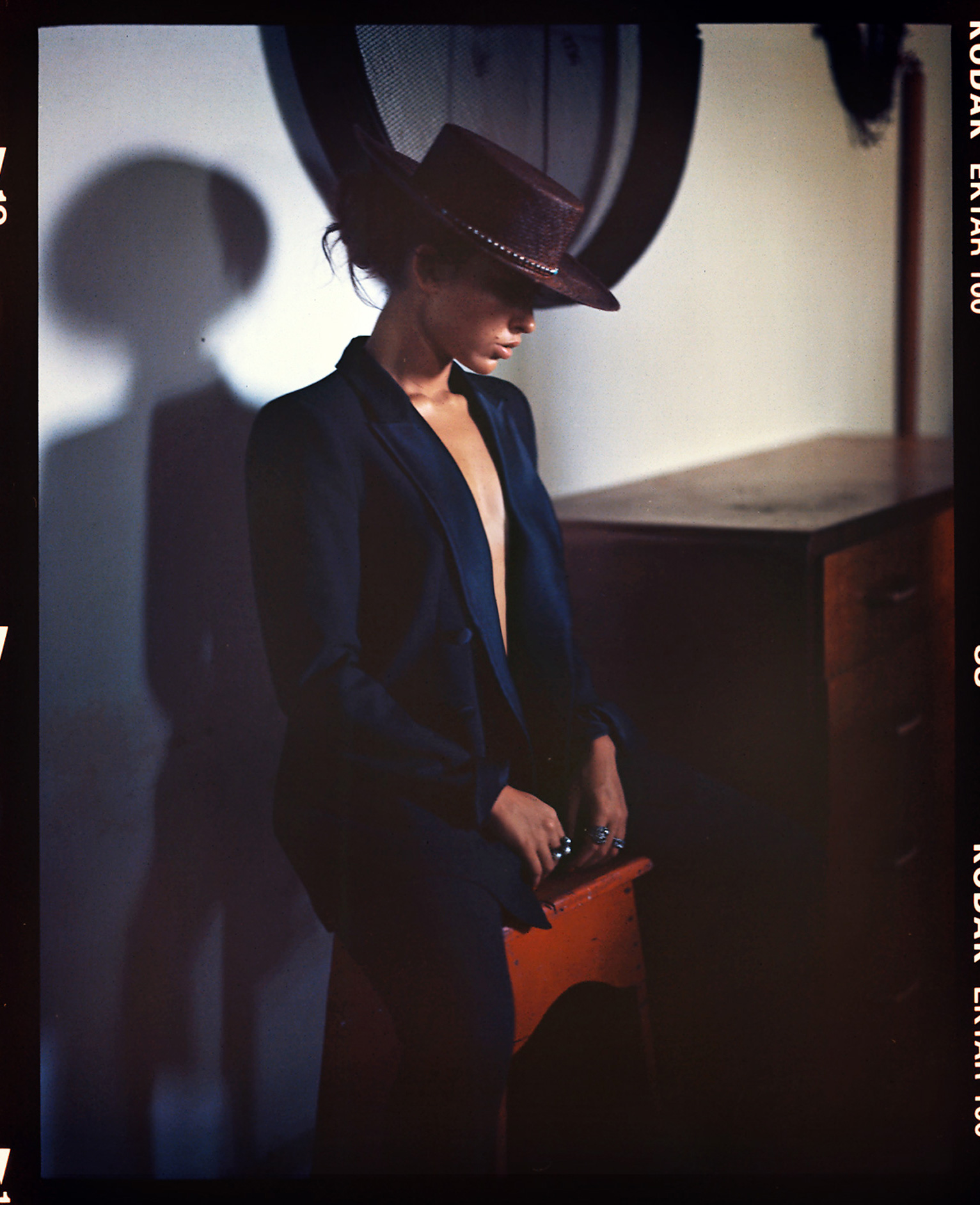
Hasselblad 500 c/m - Carl Zeiss Planar 80mm f 1:2.8 - Ektar 100 pushed to 400 iso - film Processed in C-41 standard
Scan from neg - © Niccolò Barone - All rights reserved
5. The Creative Constraints of Film Generate Innovation
Film imposes boundaries, and boundaries fuel creativity.
Limitations include:
-
fixed ISO
-
limited frames
-
slower workflow
-
delayed gratification
-
need for accurate exposure
-
cost per shot
Far from restricting creativity, these constraints push photographers to think deeper and shoot smarter.
A fashion photographer working with film cannot rely on hundreds of digital frames to find “the one.” They must craft the moment — with intention, timing, and artistry.
In a culture obsessed with speed, film teaches patience.
And patience leads to stronger visual storytelling.
6. Medium Format Film Still Outperforms Digital in Certain Areas
The resurgence of 120 film and medium-format cameras is not accidental.
Medium-format negatives deliver:
-
extraordinary tonal latitude
-
unparalleled depth
-
smoother transitions between shadows and highlights
-
superior skin tones
-
a natural three-dimensionality
While digital cameras continue to improve, many fashion photographers find that medium-format film produces images with an elegance, softness, and emotional density that digital struggles to match.
This is especially true for:
-
beauty and portrait work
-
high fashion editorials
-
fine art fashion projects
The combination of resolution, texture, and tonal richness gives medium-format film a unique visual authority.

Hasselblad 500 c/m - Carl Zeiss Planar 80mm f 1:2.8 - Ektar 100 pushed to 400 iso - film Processed in C-41 standard
Scan from neg - © Niccolò Barone - All rights reserved
7. Brands Want Film Because Audiences Want Emotion
Fashion is storytelling — and audiences today crave stories they can feel.
Digital can show everything with clarity, but clarity is not emotion.
Film communicates:
-
atmosphere
-
intimacy
-
vulnerability
-
tension
-
nostalgia
-
sincerity
Brands choose film because it resonates.
Editors choose film because it adds depth.
Consumers engage with film because they recognize the emotional truth behind it.
Analog photography is not simply a look. It is an experience.
8. Film Creates a Physical Artifact — And That Matters Again
In an era of infinite digital files, the physicality of film — negatives, contact sheets, prints — has become precious.
Fashion houses increasingly use analog archives for storytelling.
Collectors value fine art prints as objects.
Photographers feel more connected to the craft when the process is tangible.
Film brings photography back to the world of real things — something digital will never fully replace.
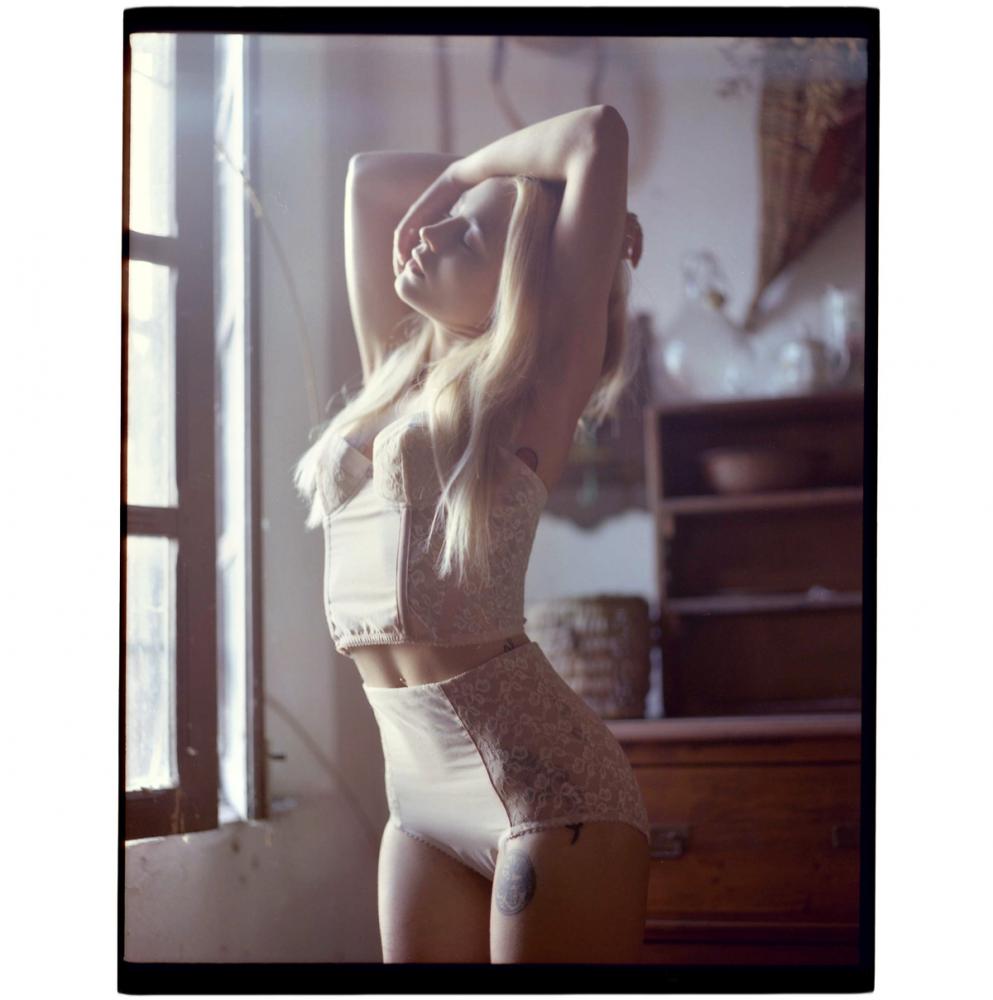
Pentax 67II - SMC Takumar 105mm - Portra 400 pushed to 800 iso - film Processed in C-41 standard
Scan from neg - © Niccolò Barone - All rights reserved
Final Thoughts: Film Wins Because It Feels Human
The return of analog photography in fashion is not a rejection of digital technology. It is a reclaiming of emotional depth, artistic intention, and human imperfection.
Film wins because it:
-
slows the photographer down
-
elevates the model’s performance
-
deepens the mood
-
adds authenticity
-
introduces beautiful unpredictability
-
and restores the tactile, poetic nature of the image-making process
In a world of instant perfection, analog photography reminds us that beauty often lives in the things we cannot control — the soft grain, the unexpected light leak, the quiet moment between frames.
Film is not nostalgia.
Film is timelessness.
And in fashion — where emotion and storytelling matter more than ever — timelessness will always have a place.
Fotografo moda Carpi
Fotografo boudoir Carpi
Fotografo moda Modena
Fotografo boudoir Modena
Fotografo moda Correggio
Fotografo boudoir Correggio
Fotografo moda Parma
Fotografo boudoir Parma
Fotografo moda Reggio Emilia
Fotografo boudoir Reggio Emilia
Fotografo boudoir Carpi
Fotografo moda Modena
Fotografo boudoir Modena
Fotografo moda Correggio
Fotografo boudoir Correggio
Fotografo moda Parma
Fotografo boudoir Parma
Fotografo moda Reggio Emilia
Fotografo boudoir Reggio Emilia
Fotografo moda Bologna
Fotografo boudoir Bologna
Fotografo moda Ravenna
Fotografo boudoir Ravenna
Fotografo moda Firenze
Fotografo boudoir Firenze
Fotografo moda Pisa
Fotografo boudoir Pisa
Fotografo glamour Modena
Fine art photographer
analog Photographer
Fotografo nudo Modena
Fotografo boudoir Bologna
Fotografo moda Ravenna
Fotografo boudoir Ravenna
Fotografo moda Firenze
Fotografo boudoir Firenze
Fotografo moda Pisa
Fotografo boudoir Pisa
Fotografo glamour Modena
Fine art photographer
analog Photographer
Fotografo nudo Modena
© Niccolò Barone - All rights reserved