How to Prepare a Professional Fashion Photoshoot
A Complete Workflow for Photographers and CreativesDate: June 26, 2025
Fashion photography is a collaborative art form—one that merges creativity, strategy, technical skill, and human connection. Behind every successful editorial or campaign, there is a carefully structured workflow that ensures the final images feel effortless, cohesive, and emotionally resonant.
Whether you are working on a magazine editorial, a lookbook, a brand campaign, or a personal project, the preparation stage is where everything takes shape. In fashion, planning is not a rigid constraint but the foundation that gives freedom to experiment on set.
This guide breaks down the complete workflow for preparing a professional fashion photoshoot, from concept development to the final pre-production details.
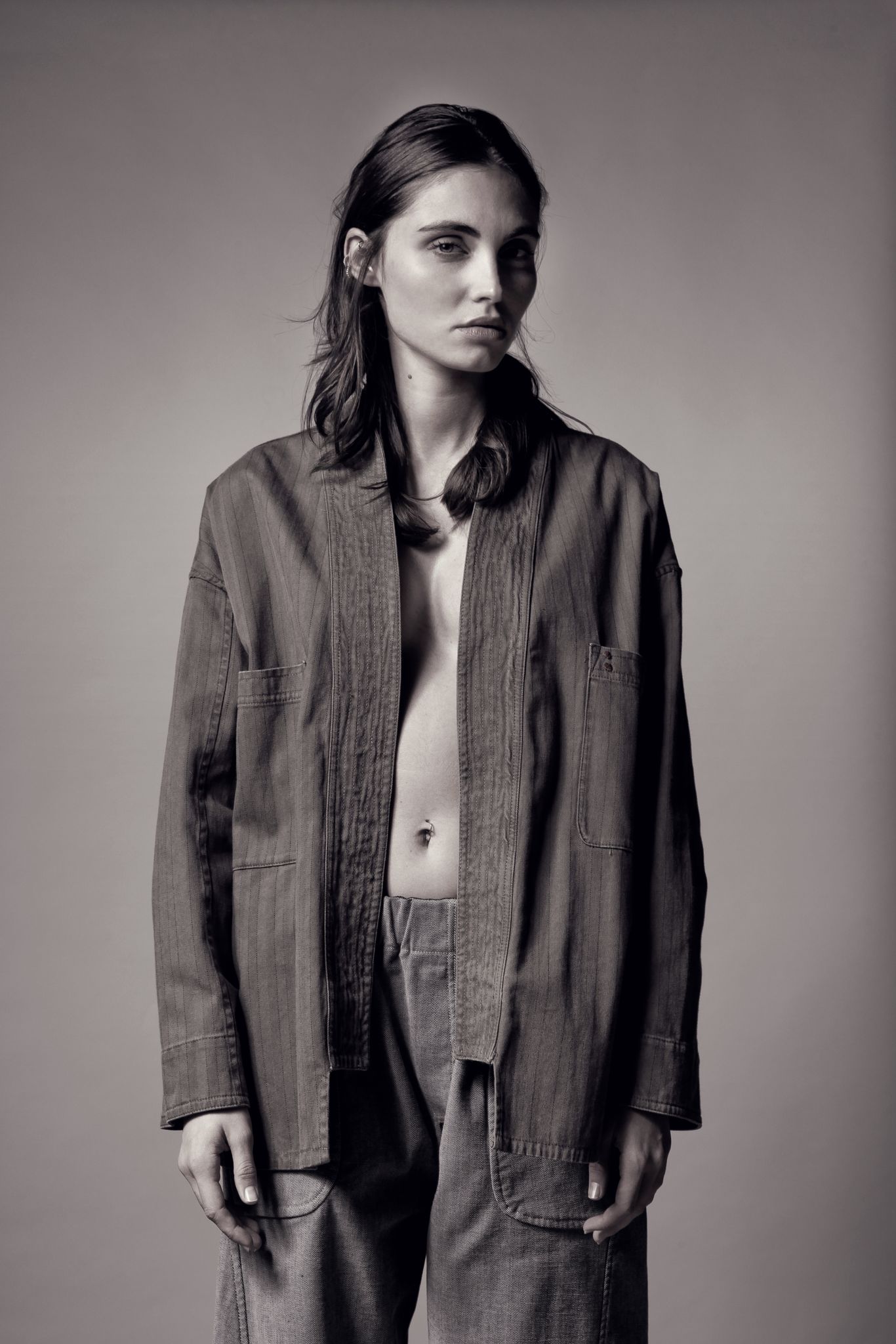
1. Start With a Clear Concept (or Why Vision Comes Before Logistics)
Every fashion photoshoot begins with a vision. Even the most minimal project needs a conceptual backbone—something that informs the styling, the mood, the location, and the way you ultimately photograph the model.
A strong concept answers questions such as:
-
What story am I telling with these images?
-
What emotion should the viewer feel?
-
What aesthetic language am I using—minimal, dramatic, raw, cinematic?
-
Who is the viewer, and what world am I inviting them into?
Your concept does not have to be literal. It may be inspired by light, texture, movement, or an emotional state. Fine art influences, analog references, and cinematic motifs often strengthen a fashion story.
Once the central idea is established, the rest of the process becomes more intentional and harmonious.
2. Build the Visual Direction: Moodboards and References
A moodboard is not just a collection of pretty images. It is a strategic communication tool that aligns the entire team.
The best moodboards include:
-
Overall mood (atmosphere, palette, texture)
-
Lighting references (soft, harsh, directional, chiaroscuro)
-
Styling direction (silhouettes, colors, textures, accessories)
-
Hair and makeup ideas
-
Posing references (movement, expressions, gestures)
-
Location or set inspiration
-
Analog or digital aesthetics if relevant
A strong moodboard becomes the shared language of the shoot. It sets expectations and ensures that every collaborator—stylist, makeup artist, model, set designer—understands the artistic intention before arriving on set.
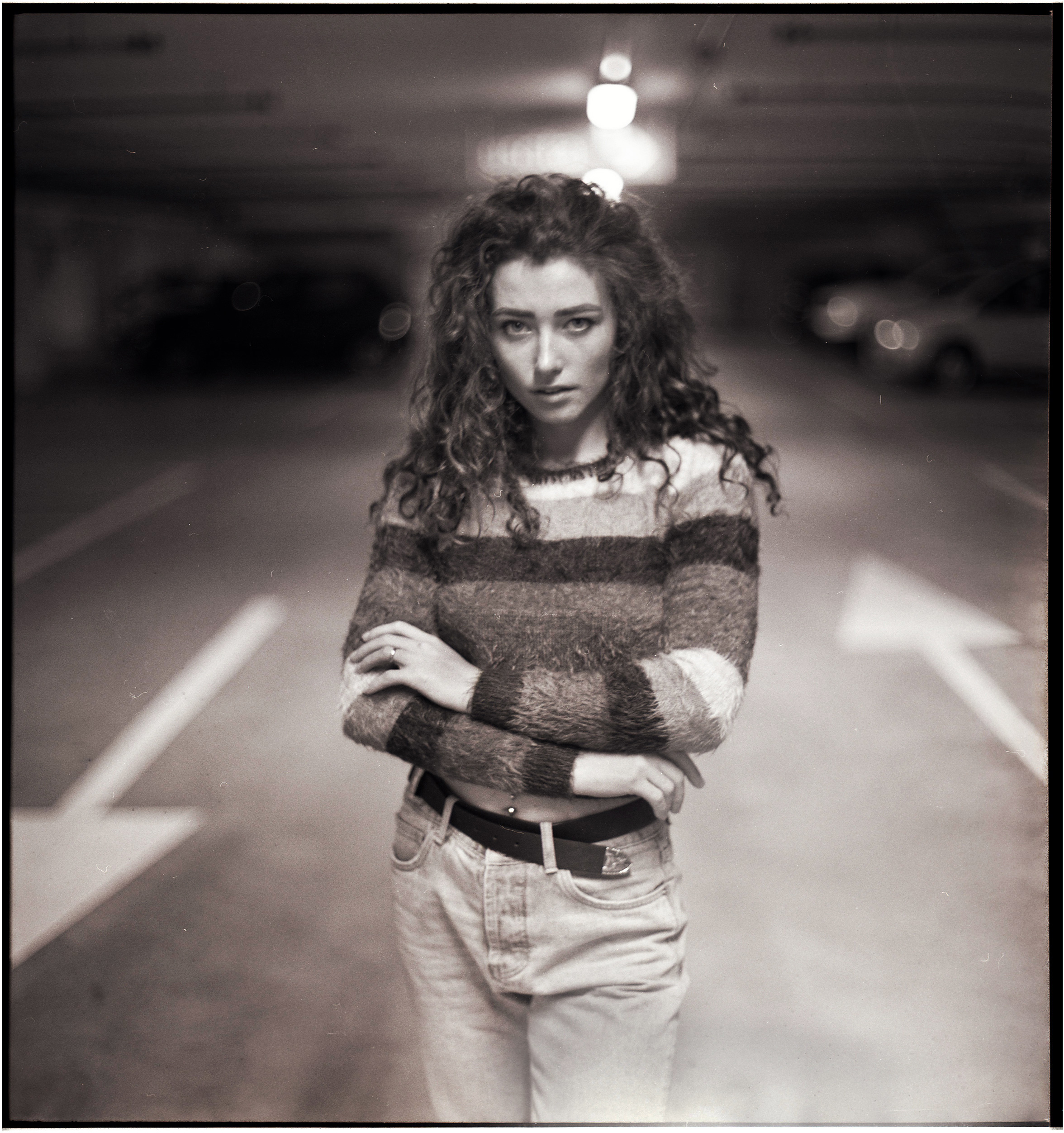
Norita 66 - Noritar f:2 80mm - Kodak Tmax 400 in Xtol 1+1 @20° x 11'00"
Scan from neg - © Niccolò Barone - All rights reserved
3. Casting: Choosing the Right Model Makes Everything Easier
Models are not interchangeable. Their presence, bone structure, posing ability, and emotional intelligence dramatically influence the final imagery.
Things to consider when casting:
The model’s energy
Posing ability
Features that complement the story
Professionalism
Great casting elevates even simple concepts. Weak casting forces the photographer to work twice as hard.
4. Styling: The Architecture of Fashion Photography
Styling is the backbone of a fashion story. The clothing choices create structure, rhythm, contrast, and narrative. A talented stylist does not simply “put outfits together.” They shape the visual world of the shoot.
Key considerations:
-
Silhouettes that complement the model’s body
-
Textures that photograph well on camera
-
Colors that enhance the mood or palette
-
Layering to add depth to the frame
-
Wardrobe progression for editorial narrative flow
Always schedule a fitting when possible. It allows you to test silhouettes, see how garments move, and avoid surprises on set.

5. Location or Studio: Choosing the Right Environment
The choice between studio and location determines the entire mood of the shoot.
Studio shoots
-
Controlled lighting
-
Minimalistic aesthetic
-
Perfect for beauty, commercial, and classic editorial work
Location shoots
-
More atmospheric
-
Richer textures and storytelling
- Often more challenging (weather, permits, unpredictable light)
When choosing a location, think in terms of how the environment interacts with:
-
clothing
-
color palette
-
light direction
-
stylistic influences
-
the model’s presence
A great location can completely transform the narrative potential of a project.
6. Lighting: The Emotional Engine of Fashion Photography
Lighting sets the emotional tone.
Decide early:
-
Soft or hard light?
-
Natural or artificial?
-
Directional shadows or even illumination?
-
Analog-friendly or digital-centric lighting?
In fine art–influenced fashion work, light becomes a character. It can sculpt the face, create tension, or add mystery.
A simple rule:
If the concept comes first, the lighting should respond to it—not the other way around.
7. Pre-Production Logistics: The Invisible Work That Makes Everything Flow
Professional fashion shoots rely on thorough pre-production. This phase ensures that the creative energy on set is not wasted on avoidable issues.
Your checklist should include:
Team Coordination
-
Photographer
-
Stylist
-
Hair & Makeup
-
Model(s)
-
Assistants
-
Production / set assistant
Equipment List
-
Cameras (digital + analog if relevant)
-
Lenses
-
Lighting equipment
-
Light modifiers
-
Film stock (if shooting analog)
-
Backup gear
Schedule
-
Call times
-
Hair/makeup duration
-
Outfit progression
-
Breaks
-
Estimated wrap time
Permits & Insurance
Especially important for outdoor or commercial productions.Catering
A fed team is a happy team.Preparation removes friction, allowing creativity to breathe.
8. On-Set Workflow: Structure That Supports Freedom
Once the shoot begins, the goal is to create a fluid, collaborative environment.
Keep these principles in mind:
-
Start with simple setups to warm up the model
-
Communicate clearly but avoid over-directing
-
Allow improvisation, especially for editorial and fashion fine art
-
Be open to the unexpected—some of the best images come from spontaneity
-
Review images regularly to ensure alignment with the concept
Professionalism and presence transform the energy of a shoot. The photographer sets the tone.
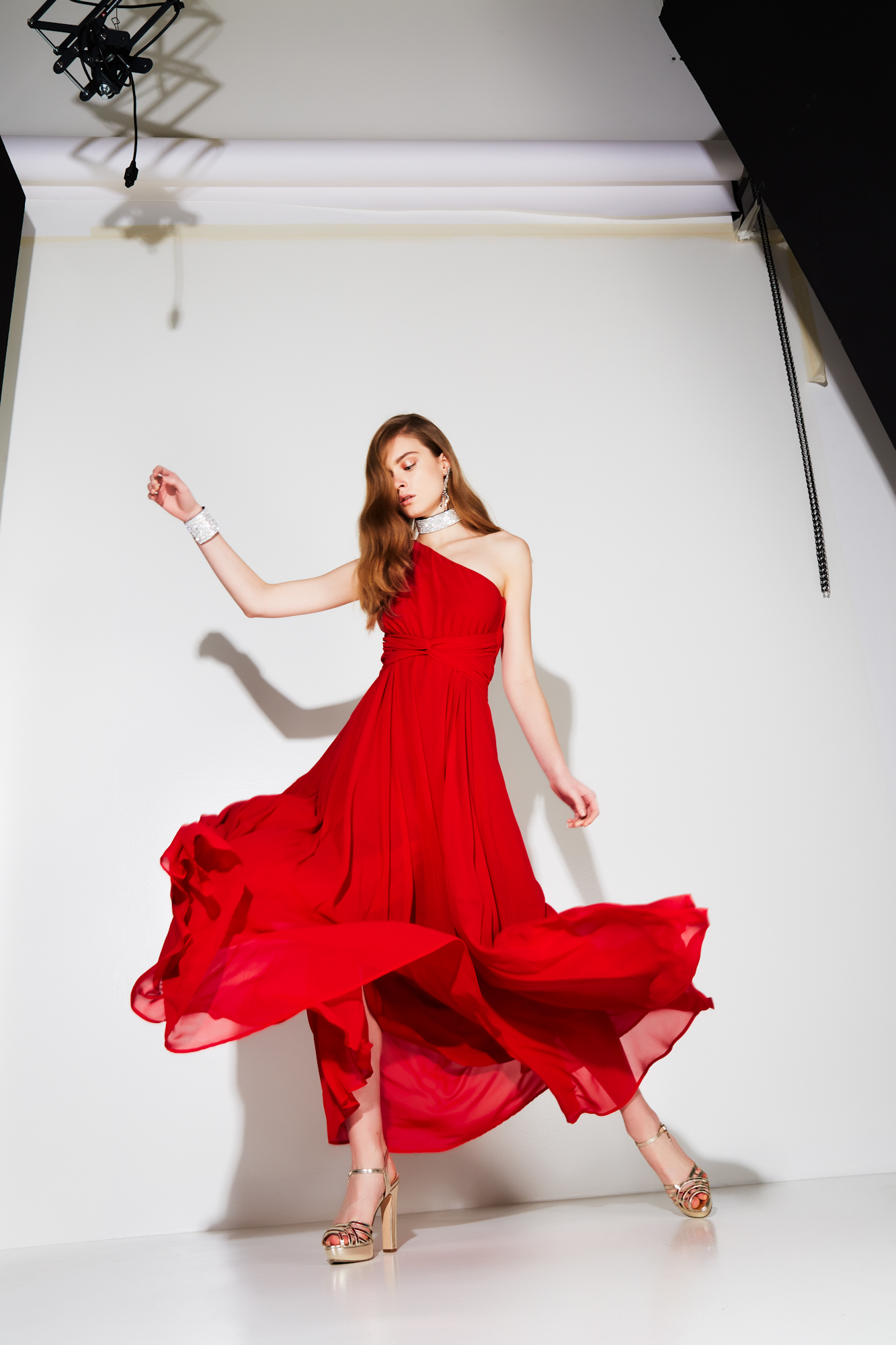
9. After the Shoot: Select With Intention
Image selection is as important as the shoot itself. Choose images that:
-
maintain conceptual coherence
-
highlight the model at their best
-
represent the story’s emotional arc
-
avoid repetition
-
honor the initial vision
Editing style should support the narrative—not dominate it.
Final Thoughts
A professional fashion photoshoot is much more than assembling a team and capturing images. It is a carefully orchestrated collaboration built on vision, communication, and preparation. When every detail is intentional—from casting to styling to lighting—the photographs carry a deeper sense of purpose and unity.
And while planning is essential, the magic of fashion photography often emerges from what is unplanned: a gesture, a light shift, a moment of raw authenticity.
Preparation gives you the foundation.
Presence on set gives you the art.
Fotografo moda Carpi
Fotografo boudoir Carpi
Fotografo moda Modena
Fotografo boudoir Modena
Fotografo moda Correggio
Fotografo boudoir Correggio
Fotografo moda Parma
Fotografo boudoir Parma
Fotografo moda Reggio Emilia
Fotografo boudoir Reggio Emilia
Fotografo boudoir Carpi
Fotografo moda Modena
Fotografo boudoir Modena
Fotografo moda Correggio
Fotografo boudoir Correggio
Fotografo moda Parma
Fotografo boudoir Parma
Fotografo moda Reggio Emilia
Fotografo boudoir Reggio Emilia
Fotografo moda Bologna
Fotografo boudoir Bologna
Fotografo moda Ravenna
Fotografo boudoir Ravenna
Fotografo moda Firenze
Fotografo boudoir Firenze
Fotografo moda Pisa
Fotografo boudoir Pisa
Fotografo glamour Modena
Fine art photographer
analog Photographer
Fotografo nudo Modena
Fotografo boudoir Bologna
Fotografo moda Ravenna
Fotografo boudoir Ravenna
Fotografo moda Firenze
Fotografo boudoir Firenze
Fotografo moda Pisa
Fotografo boudoir Pisa
Fotografo glamour Modena
Fine art photographer
analog Photographer
Fotografo nudo Modena
© Niccolò Barone - All rights reserved